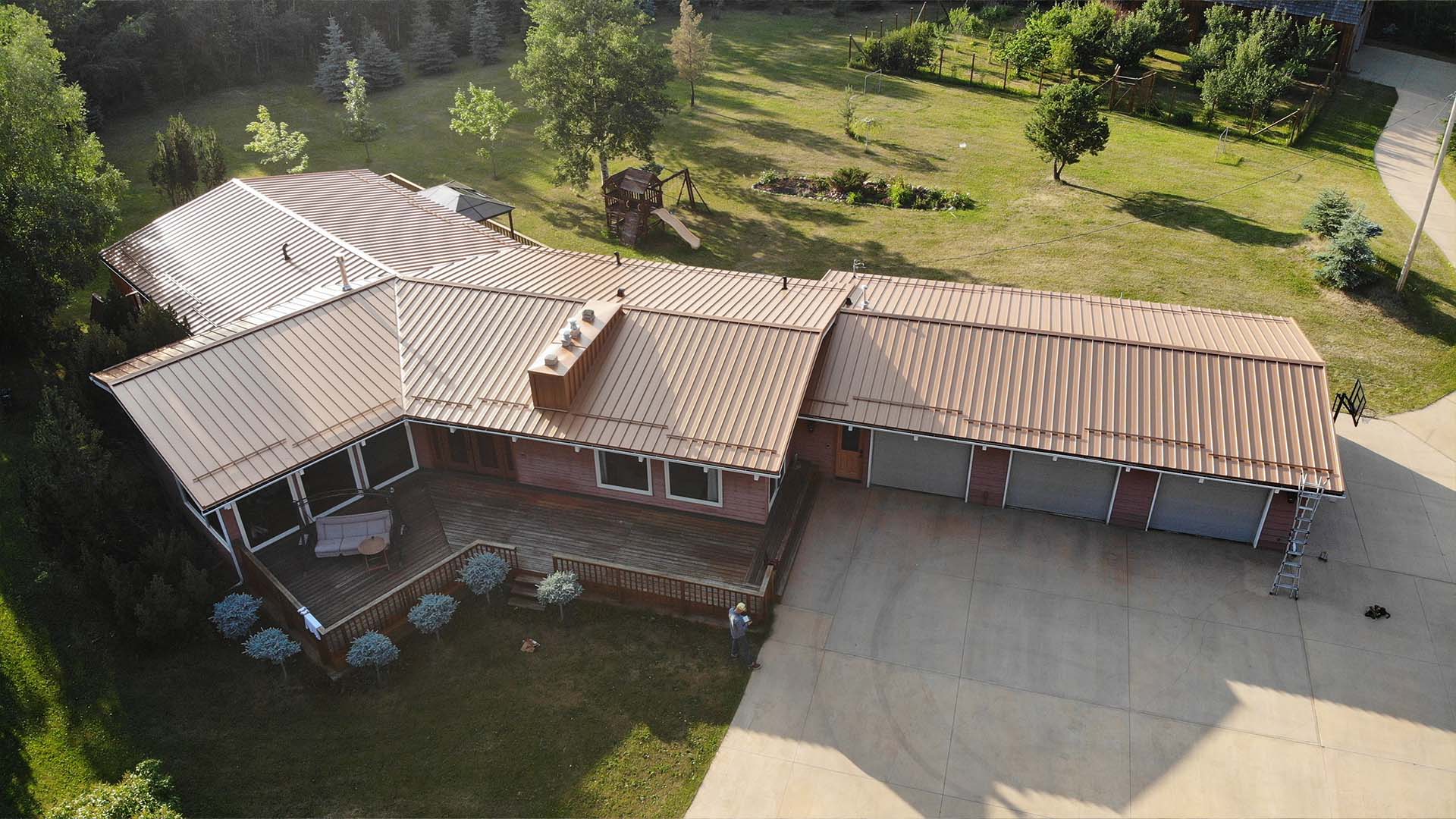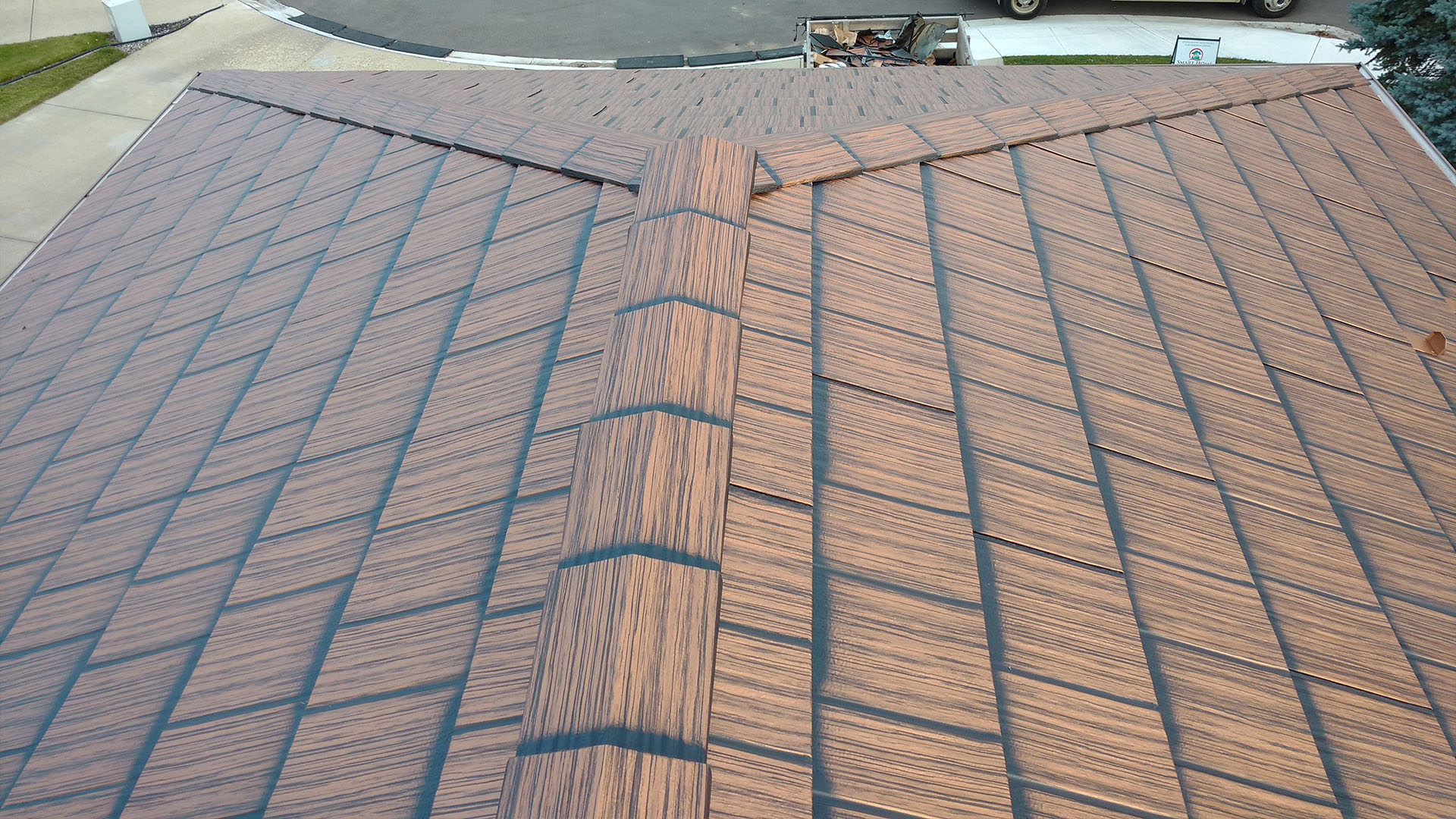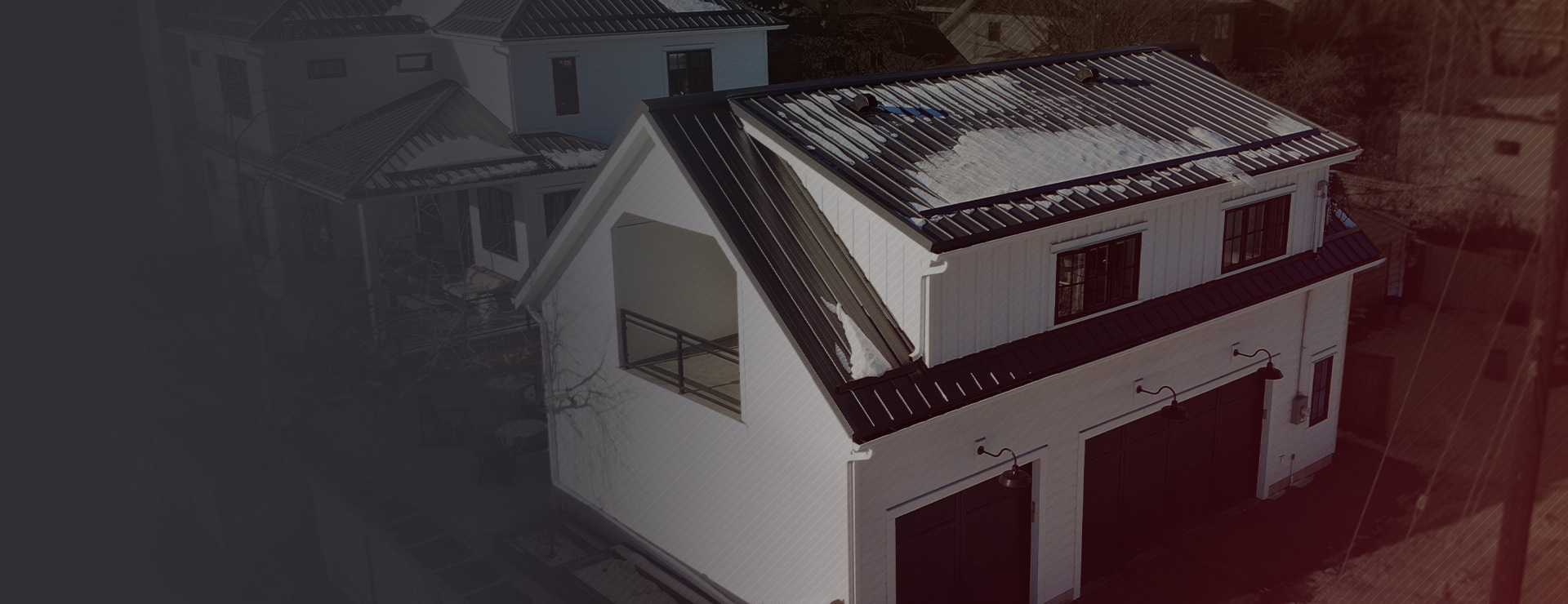
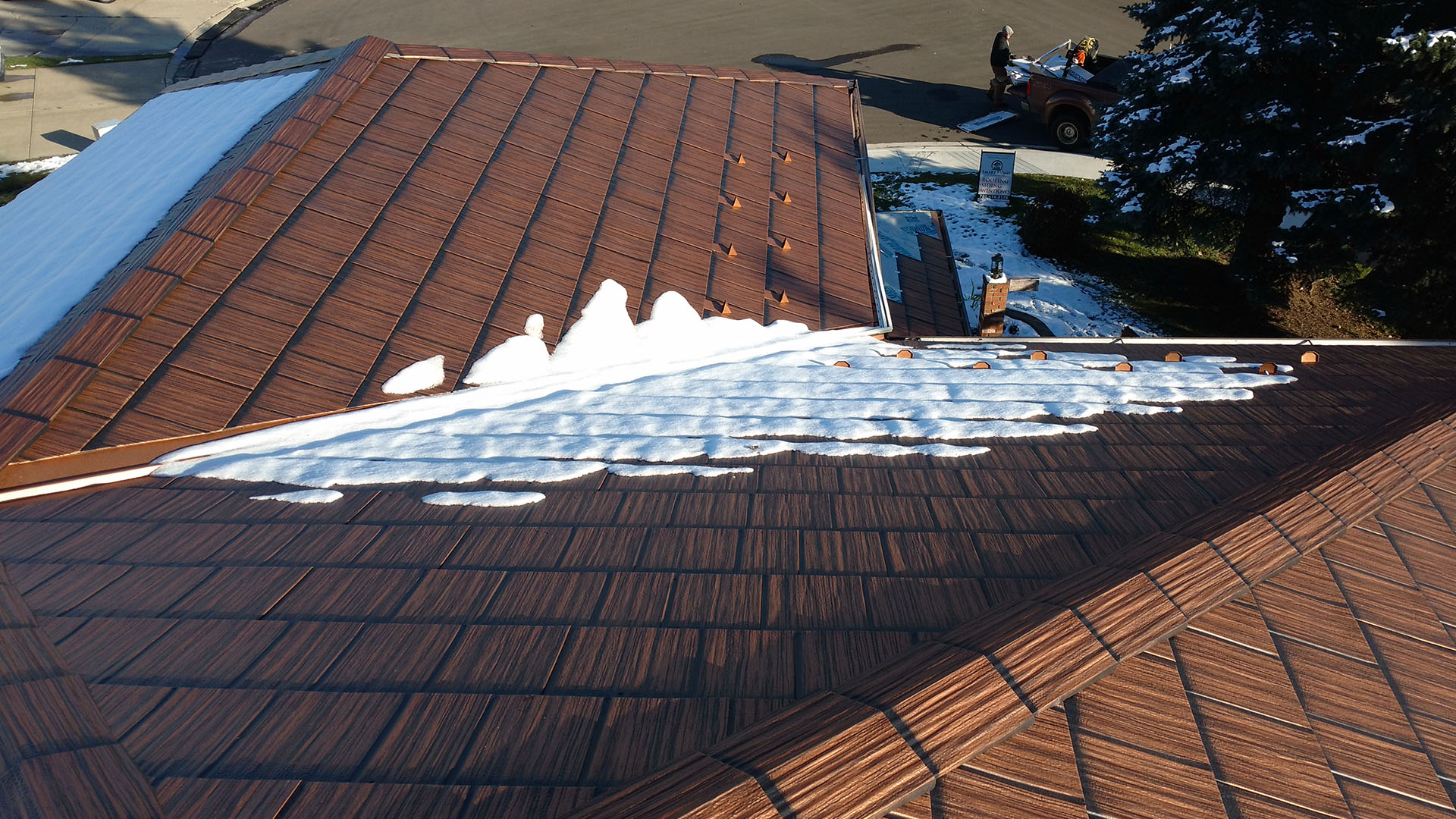
Look up at the underside of any roof overhang. The horizontal panel you see — the one that closes off the underside of the eave — is the soffit. The vertical board that runs along the front edge of the overhang, below where the gutter mounts, is the fascia. Most homeowners ignore both until one of them fails. By that point, the damage is rarely limited to just the soffit or fascia.
What soffit actually does
Soffit closes the underside of the roof overhang and — when properly vented — provides the intake side of the attic ventilation system. The vented soffit panel is the entry point that lets cold dry air into the attic, where it can absorb moisture and exhaust through the ridge vent. Without the intake side, the whole ventilation system stops working.
What fascia actually does
Fascia is the structural anchor for the gutter system and the visual cap of the roof line. When fascia rots — typically because the gutter has been overflowing and saturating it for years — the gutter loses its anchor and starts to sag, which causes more overflow, which accelerates the rot. It's a feedback loop that takes about three winters to do real damage.
The failure modes
- Wood soffit: rots from the back (attic) side first, due to condensation on the underside of an unvented roof.
- Wood fascia: rots at the gutter line where overflow saturates the wood.
- Aluminum soffit (older): dents and crumples in hailstorms; vinyl can crack in cold weather.
- Steel/aluminum fascia covers (poorly installed): trap water behind the cover and accelerate underlying wood rot.
The fix
Modern soffit/fascia systems are pre-finished aluminum vented soffit (in solid, fully-vented, and centre-vented profiles) paired with heavy-gauge steel fascia covers. Properly installed, they handle decades of Alberta weather with no maintenance, no rot, and no painting. The ventilation design is calculated to match the attic, the colours are matched to the existing siding and roof, and the trim details (drip edges, J-channels, corner caps) are coordinated rather than improvised.
When to replace vs repair
If the wood behind your soffit/fascia is still solid, replacing the cladding alone is usually fine. If you can poke a screwdriver into the wood, you're past repair — the substrate needs to come off, the framing has to be inspected for moisture damage, and new wood goes up before any new metal. Catch it early and the job is straightforward; catch it late and it's a much bigger project.
Ready to start your project?
Get a free, fixed-price written estimate from an IronWrap estimator.